
RBWM
Independent Board: “RBWM Has Increased Grip on Finances” as Recovery Gains Momentum
FISB – Update Report to Cabinet - highlights
19 May 2026
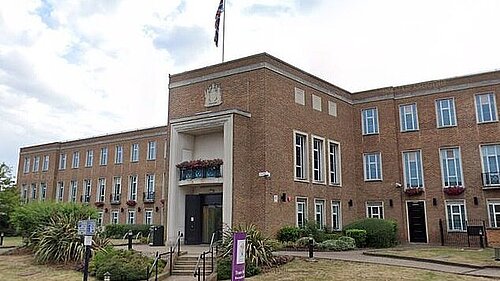
ARTICLE FROM THE MJ ORIGINALLY PUBLISHED 8th OCTOBER: Windsor and Maidenhead Council: Back from the brink
Windsor and Maidenhead Council has changed from a council on the edge to one that is balancing budgets in-year, and delivering real change – while using exceptional financial support to aid the path to long-term sustainability, writes Stephen Evans.
When I joined Windsor and Maidenhead Council in April 2023, the council's financial and organisational challenges were well documented. What was not established was the true scale of those challenges.
Like all councils, Windsor and Maidenhead was operating amid sustained funding pressures, rising demand and delayed service reform at the national level. Coupled with this, the council was facing severe legacy issues that had eroded its financial resilience and stripped away organisational capacity.
Windsor and Maidenhead is the only council in the country to have cut council tax for six years in a row (from 2010-16), removing £30m from the revenue budget – about a third of total service budgets at the time. While residents enjoyed among the lowest council tax bills in the country, the authority was left with a significant structural deficit which would bite hard.
At the same time, the council exited national pay bargaining and froze pay for many years. This, predictably, left pay scales well behind similar authorities. These decisions turned out to be disastrous for the council's workforce, finances and local services.
I felt it on day one. Reserves were depleted, borrowing was increasing and there was nowhere near the capacity needed to drive the scale of transformation required. An emergency turnaround was needed.
Recovery began with a commitment to be honest about the scale of the challenge, to confront difficult truths and to prioritise transparency with councillors, colleagues, auditors, government, the Chartered Institute of Public Finance and Accountancy (CIPFA) and residents.
We needed to determine the full scale of the financial challenge, which meant a forensic review of budgets, clearing accounting backlogs, closing old audit recommendations, improving budget forecasting and resetting the capital programme. This exposed a larger financial gap and pushed the authority to the brink of a section 114. But it was essential in laying the foundations for recovery.
We needed to quickly get a grip of budget management and put in place a weekly Spending Control Panel to scrutinise and approve all spend over £500. Governance of the council's wholly and partly-owned companies was strengthened and its property company wound up.
A comprehensive corporate transformation programme was built from scratch and continues to drive change across the organisation. We needed a credible plan – a blueprint for improvement which our councillors and colleagues could buy into.
Our Financial Improvement and Sustainability Plan (FISP) – adopted by council and shared with the Ministry of Housing, Communities and Local Government and CIPFA – provided a strong framework for improving our finances, strengthening governance, delivering transformation, increasing income and ensuring investment decisions support long-term priorities.
Alongside our new Council Plan, the FISP is our most important strategic document and remains in place today, with regular reporting on progress.
More than three years on we still have significant challenges and the outcome of the fair funding review – with a £30m reduction to our funding over the next few years – is a major setback. But, we have transformed from a council on the brink to one managing balanced budgets in-year, delivering real change and improved services while using exceptional financial support to guide its path to long-term sustainability.
We no longer frame our progress through the lens of our financial position but through our transformation progress and improvement to services. Our key achievements include:
At the heart of our transformation has been strong leadership from councillors and officers, good governance and grip.
Organisational culture underpins everything. I have been impressed with how colleagues have continued to deliver at pace in difficult circumstances.
Our experience of the past few years and our determination to improve has been driven by a shared sense of purpose. I am excited about where we go next.
FISB – Update Report to Cabinet - highlights
Liberal Democrats in RBWM have a plan, and are getting things done.

The RBWM Lib Dem administration is steadily fixing the mess — with honest leadership and measured, credible improvements.
Social media and tabloid rags got you in a spin? Sort the fact from the fiction with a closer look at the background to the shocking financial situation in RBWM- and the Lib Dem plan for fixing the mess.